The person who picks the song, clears the song, and sequences the album rarely gets a credit anyone remembers. Here is what the job involves, and how it shows up in five Sunset Music soundtrack and compilation releases.


Sunset Music Journal · Music Supervision
Between the Director and the Lawyer: How Music Supervision Really Works
The person who picks the song, clears the song, and sequences the album rarely gets a credit anyone remembers. Here is what the job involves, and how it shows up in five Sunset Music soundtrack and compilation releases.
Nobody applauds a music supervisor when the right song lands. That is how you know the job was done well. The audience feels the scene crack open, the car pulls away, the opening chords arrive exactly when they should, and not one person in the theater thinks about who found the track, who paid for it, or who spent three weeks chasing a signature from a songwriter’s estate.
Music supervision is the work of choosing, securing, and legally clearing music for films, television, video games, commercials, and soundtrack albums. The supervisor sits between two worlds that rarely speak the same language. On one side is a director with a vision and a feeling about how a scene should sound. On the other is an industry built on contracts, percentages, and rights that can be split among a dozen owners. The supervisor translates in both directions, and the film gets made.
Inside the Film: Taste First, Paperwork Second
A supervisor usually joins during pre-production and stays until the final mix. The work splits into two halves that pull against each other all the way through.
The creative half starts with reading the script and sitting down with the director and producers to talk about tone, era, and emotion. Where does the story need a song, and where does it need silence? Which moments call for source music, the kind the characters can actually hear, like a radio in a kitchen or a band in a bar? Which call for a montage track that carries the audience through time? The supervisor suggests, tests, and discards, often dozens of candidates for a single scene, and keeps the whole thing inside a budget that was set long before anyone fell in love with a particular song.
The legal half is where the job turns serious. Every existing song used in a film involves two separate copyrights, and the supervisor has to clear both. The sync license comes from the music publisher or publishers and covers the underlying composition, meaning the lyrics and the notes. The master use license comes from the record label or other owner of the recording and covers the specific audio track. One song, two negotiations, two sets of fees, and neither works without the other.
Now add the people. If a song has five songwriters and a major label behind the recording, the supervisor needs agreement from every one of them. A single refusal ends the conversation. The song is out, the scene needs a new idea, and the supervisor has a day or two to find one. Anyone who has watched a favorite film swap its original track for a sound alike knows what happens when this goes wrong.
That pressure is exactly why supervisors prize catalogs with clean, documented ownership. A track where the splits are written down, the registrations match, and one phone call reaches the right person is worth more than a famous song that takes a month to clear. We spend a great deal of our time at Sunset Music on that unglamorous groundwork for this reason. Metadata is not paperwork. It is the difference between a yes this week and a lost placement.
Beyond the Screen: The Soundtrack Album
When a film releases a companion album, on disc, vinyl, or streaming, the supervisor’s job grows into something closer to a producer’s. They coordinate between the studio and a record label to bring the album out. They sequence the tracklist so it plays well on its own, which often means a different order from the one the songs appear in on screen. They decide what belongs and what does not, since the album and the film rarely contain exactly the same music.
And they clear everything again. This is the point newcomers miss most often. A song cleared for a movie is not automatically cleared for the soundtrack album. A sync license covers the moving picture. Putting the same recording on a physical or digital release calls for its own permission from the master owner, plus a mechanical license for the composition and separate rates for each format. Skip that step and a hit film can produce an album that never gets released.
Supervisors also commission new songs when nothing existing will do. Celine Dion’s My Heart Will Go On for Titanic is the textbook case, a song written for the film that outlived it. The Barbie soundtrack followed a similar playbook, pairing established tracks with original songs created for the movie. An original song gives the film something no catalog can, and gives the album a centerpiece.
Who Does What
People confuse the supervisor with other film music roles all the time, so it helps to separate them. The supervisor finds existing songs, negotiates the rights, manages the music budget, and shapes the soundtrack album. Think of the classic seventies tracks that gave Guardians of the Galaxy its personality. The film composer writes and records the original instrumental score, as Hans Zimmer did for Inception and John Williams did for Star Wars. The music editor handles the technical craft, syncing the score and the supervisor’s songs to the timeline so that a drum hit lands on the instant a car crashes. Three jobs, three skill sets, one soundtrack.
Sunset Music on Screen and on Disc
All of that is abstract until you open an actual tracklist. Five soundtrack and compilation releases tied to the Sunset Music catalog show how different the work can look from one project to the next.
American Drug War: The Last White Hope carries twelve tracks, running from A Dysfunctional Family Affair by Phillip Morris to Bondage by Razor with Brilliant Fish. It mixes hip hop, electronic, and rock, and sits a 1927 recording by Blind Willie Johnson, Dark Was the Night, Cold Was the Ground, in the middle of it. Readers of our earlier piece on that song will recognize the name. It is a fine illustration of a supervisor trusting a single piece of music to carry weight that no lyric could.
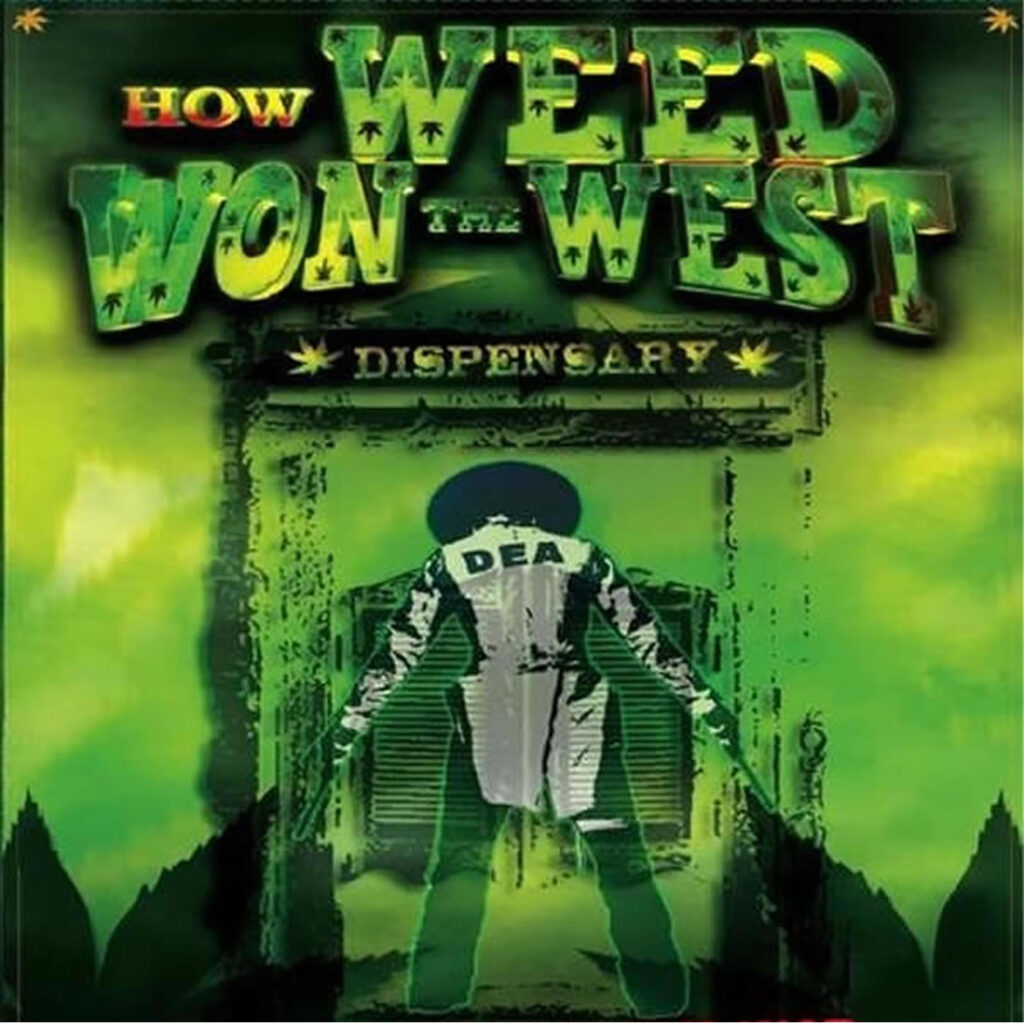
How Weed Won the West runs eleven tracks and reveals something instructive. Drug War I, V Town Krack Haus, and Jimmi Jive La Chenga all appear on both this album and the one above. Once a track is cleared and documented, it can serve more than one project. For a writer, that is the quiet math of licensing. One good, well organized recording can work in several places.
Cover Bond is the largest of the five, with twenty eight tracks, one for every James Bond theme from the first film through the most recent one in the list, each reimagined by a different artist across a wide spread of genres. Covers carry their own clearance logic. The performance is a new recording owned by the cover artist or their label, while the composition still belongs to the original writers, so permission has to come from the publishing side. The result is an album that feels like a single idea and was built from dozens of separate agreements.
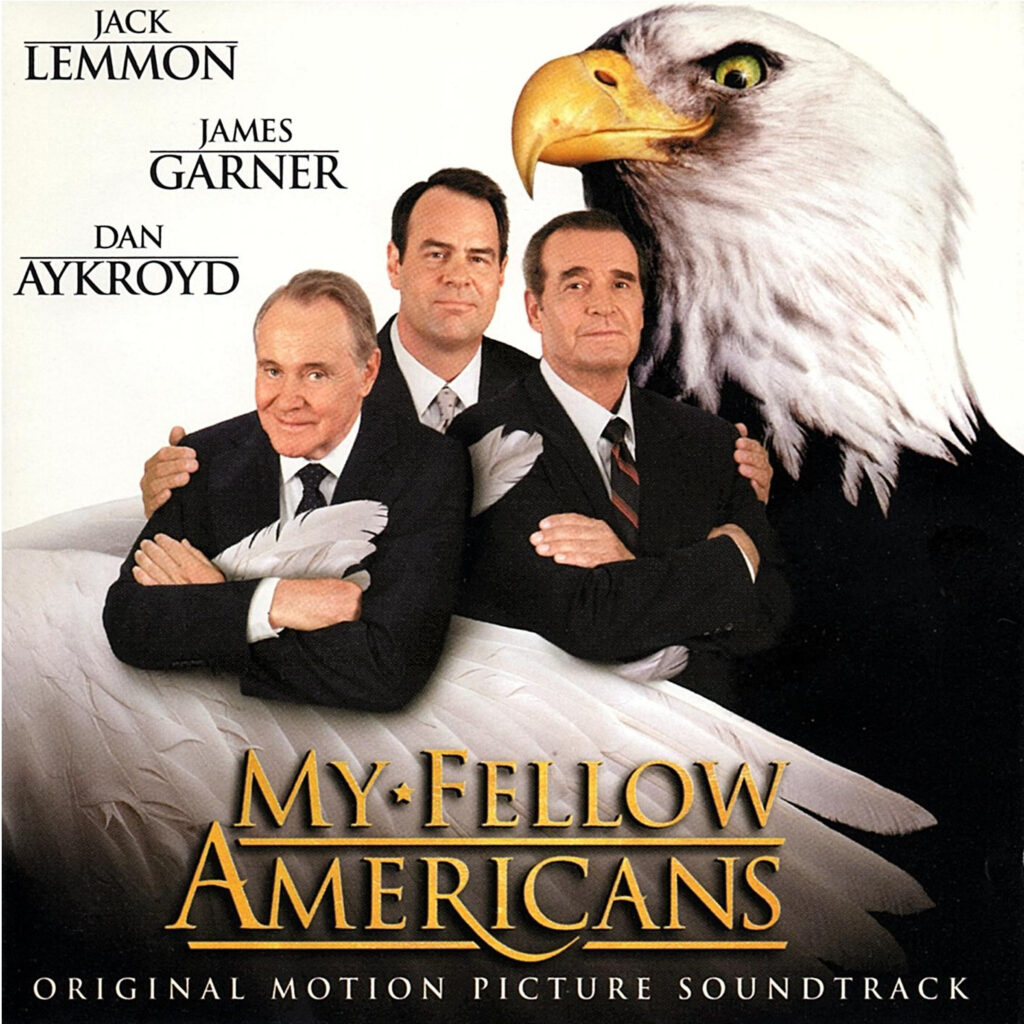
My Fellow Americans offers thirteen tracks, and it is the clearest example of a supervisor choosing songs to build a setting. Funkytown, Superstition, In the Midnight Hour, Bad Moon Rising, and Brick House carry the era and the attitude of the story. The album closes with the film’s original score by William Ross, a reminder that a soundtrack can hold needle drops and composed music side by side.
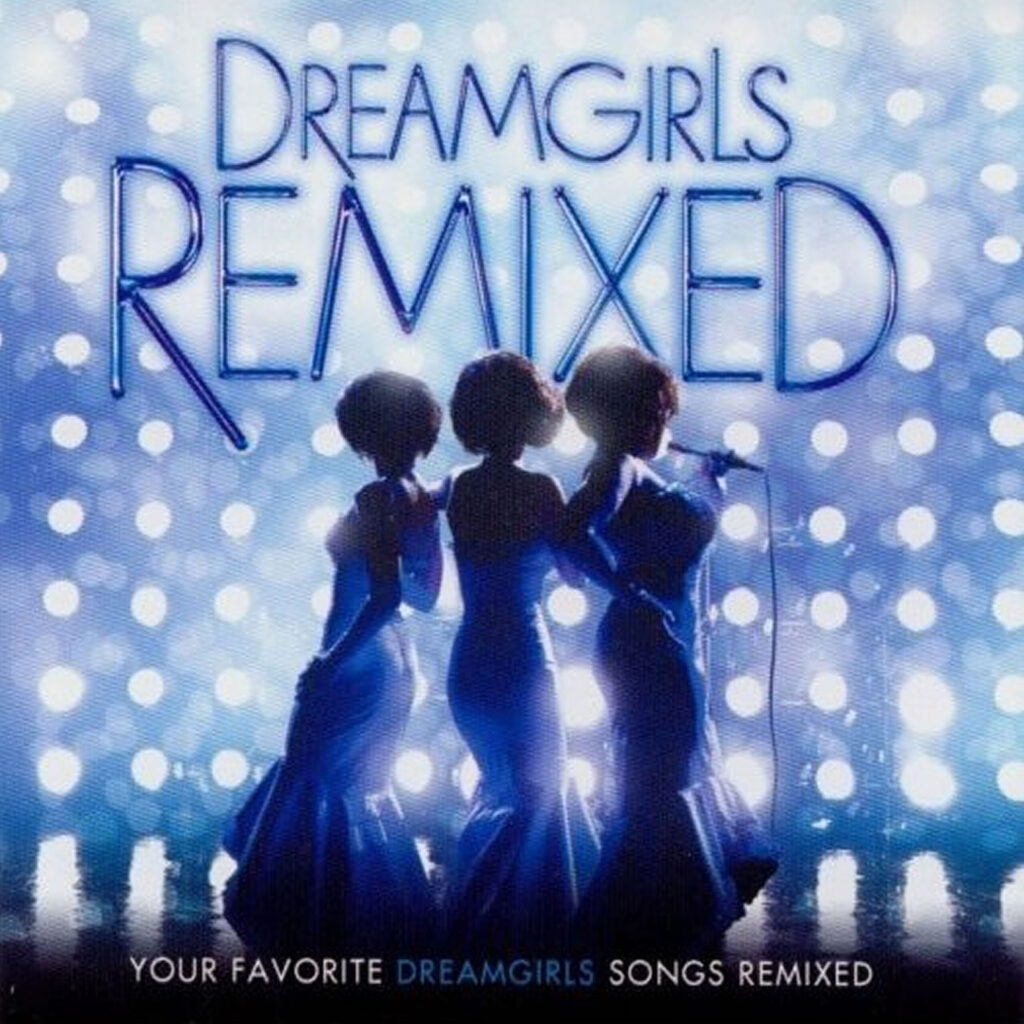
Dreamgirls Remixed rounds out the group with seven club remixes of songs from the film, all written by Henry Krieger and Tom Eyen and sung by performers including Beyonce, Jennifer Hudson, Jamie Foxx, and Anika Noni Rose. A remix is a derivative work. It needs consent from the owner of the recording and from the writers of the song, and the remixer’s contribution adds a third layer of credit. It is licensing at its most layered, and it is also a good reminder that one set of songs can find a new audience in a completely different form.
What This Means for Writers and Artists
If you want a supervisor to choose your music, make their job easy. Keep your metadata accurate and your splits written down. Register your works so a publisher or a collecting society can verify who owns what. Have instrumentals, clean edits, and stems ready, because supervisors often need to adjust a track to fit a scene, and they rarely have time to ask twice. Respond quickly. A supervisor with a Friday deadline will move on to the next option if yours arrives Monday.
And remember how many people stand between a song and a screen. A director has to want it, a supervisor has to find it, a publisher and a label have to agree on it, and an editor has to cut it into place. Every one of those steps is a point where a song can be lost or saved. Our job at Sunset Music is to make sure the songs we represent are ready at every step, so the answer, when it comes, is yes.
Want your catalog ready for a supervisor’s call?
If you work with us at Sunset Music, we can review your registrations, splits, and deliverables so your songs are ready the moment a brief lands.
Talk to Sunset Music