For years, conversations about music promotion have revolved around streaming playlists, social media algorithms, radio airplay, sync licensing, influencer marketing, and short-form video platforms. Yet hidden in plain sight is another music discovery ecosystem that has quietly introduced millions of viewers to independent artists around the world without ever positioning itself as a music company.
That platform is GoPro. Check out our GoPro Sunset Music Videos!
Known globally for revolutionizing action cameras and immersive first-person video storytelling, GoPro has spent more than a decade building a content empire fueled by breathtaking visuals, extreme sports, travel adventures, outdoor exploration, and human achievement. What many artists, labels, managers, and music advocates fail to recognize is that behind nearly every viral GoPro video sits another critical ingredient: music.
The relationship between music and GoPro content has evolved into one of the more fascinating examples of brand-supported artist discovery in the modern digital era. What began as a niche experiment involving independent bands and action sports filmmakers has matured into a sophisticated cross-promotional ecosystem where visual storytelling and music promotion operate hand in hand.
The result is a unique opportunity that deserves far more attention from independent musicians seeking alternative paths to audience growth in an increasingly crowded marketplace.
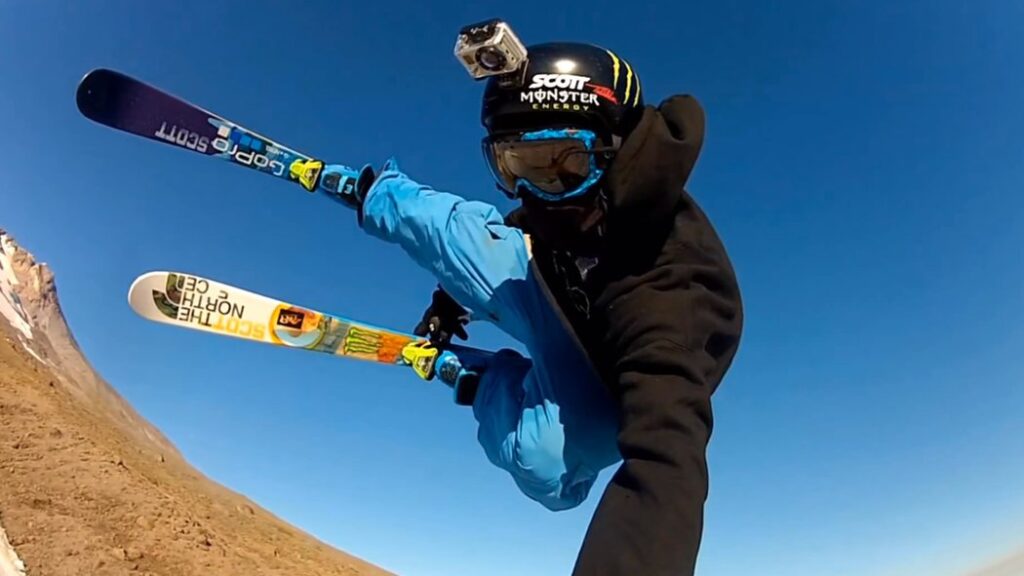
The story begins during the explosive growth period of action cameras in the early 2010s. As GoPro footage began flooding YouTube, social media feeds, and adventure-focused media channels, creators quickly discovered that high-energy visuals required equally compelling soundtracks. Fast-moving mountain bike descents, skydiving sequences, surfing edits, motorsports clips, skiing adventures, and travel documentaries all demanded music capable of amplifying emotion and enhancing momentum.
Initially, many creators simply relied on stock music libraries or independent artists willing to participate in experimental collaborations. Over time, however, a distinct culture emerged around pairing emerging music with adrenaline-driven visual content.
The relationship proved remarkably effective.
While traditional music videos fought for attention in increasingly saturated digital environments, GoPro videos delivered music to audiences already emotionally invested in the content they were watching. Rather than asking viewers to seek out a song, the music became part of a larger immersive experience.
This approach created a different kind of engagement entirely.
Instead of passive listening, viewers experienced songs alongside cliff dives, snowboarding runs, motocross jumps, wildlife encounters, ocean expeditions, and cinematic adventures unfolding through a first-person lens. Music became inseparable from the emotion generated by the visuals.
As viewership expanded into the millions, artists began recognizing the promotional potential.
What followed was the emergence of one of the more underrated music placement opportunities available to independent creators.
GoPro’s Media Group eventually formalized the process through its music submission initiative, inviting musicians and rights holders to submit tracks for consideration in future GoPro productions. Unlike many music licensing opportunities that focus on transactional licensing fees or third-party distribution, GoPro’s approach centered on direct collaboration and cross-promotion.
The company made its objectives clear. The goal was not to become a music publisher, label, or licensing broker. Instead, GoPro sought permission to incorporate artist recordings into branded content designed to showcase its cameras, accessories, and creative ecosystem.
For musicians, the tradeoff was straightforward.
In exchange for allowing tracks to be used within GoPro productions, artists receive prominent credit attribution within video descriptions and associated content. More importantly, they gain exposure to audiences that often number in the millions.
For independent artists competing against major-label marketing budgets, that level of visibility can be transformative.
A single viral GoPro production can introduce a song to more listeners than months of conventional promotional efforts. Unlike paid advertising campaigns that disappear once budgets are exhausted, successful GoPro content often accumulates viewership for years.
The value of that long-tail exposure cannot be overstated.
Many artists spend enormous resources attempting to secure placements that connect them with engaged audiences. GoPro offers something slightly different. Rather than functioning as a traditional sync placement, the partnership creates an ongoing association between a song and a memorable visual experience.
When viewers revisit a favorite action sequence, travel documentary, or adventure clip years later, they frequently encounter the soundtrack again.
That repeated exposure creates a unique promotional dynamic that few traditional marketing channels can replicate.
At the same time, GoPro’s influence extends beyond soundtrack placements alone. The company has also fundamentally altered how music videos themselves are produced.
The evolution of the “GoPro music video” represents one of the most interesting technological shifts in modern visual storytelling.
During the mid-2010s, entire music videos were frequently shot using a single GoPro camera. At the time, the approach was largely viewed as a novelty. Directors leaned heavily into the distinctive ultra-wide-angle perspective and recognizable fisheye aesthetic. The appeal was often tied directly to the camera itself rather than the story being told.
Those early productions embraced the gimmick. The camera became the attraction.
Artists mounted GoPros to guitars, bicycles, skateboards, helmets, microphones, and virtually anything else capable of creating unusual visual perspectives. Viewers immediately recognized the look. While innovative for its time, the approach eventually reached creative limitations. As camera technology evolved, however, so did the role of GoPro within professional music video production.
Today’s directors rarely build an entire production around a GoPro camera. Instead, they use GoPros as specialized creative tools capable of capturing shots impossible for traditional cinema equipment.
Modern GoPro cameras feature image stabilization systems so advanced that many shots resemble footage captured on professional gimbals. Combined with lightweight construction and rugged durability, they allow directors to position cameras in places that would be impractical, dangerous, or financially impossible using larger equipment.
This shift transformed GoPro from novelty device to essential production asset. One of the most common applications involves instrument-mounted perspectives. Attaching a camera directly to the headstock of a guitar, the bell of a brass instrument, a drumstick, or a musician’s wrist creates an immersive point-of-view experience that places audiences directly inside a performance. Every movement, vibration, and gesture becomes part of the visual narrative.
The resulting footage conveys energy in a way traditional stage cameras often cannot. Another increasingly popular technique is the so-called “mouth cam” or performer-facing rig.
Artists performing on stage, navigating crowds, running through festival grounds, or interacting with fans can mount lightweight cameras facing themselves while remaining in motion. The effect keeps the performer visually centered while the surrounding environment spins, shifts, and explodes with activity.
The technique has become especially popular among rock performers, hip-hop artists, electronic music acts, and festival-oriented productions seeking a sense of immediacy and chaos. The footage feels raw because it is raw. Viewers experience performances from the artist’s perspective rather than merely observing from a distance.
Meanwhile, live music production teams increasingly rely on GoPro systems for stage monitoring, archival recording, social content generation, and behind-the-scenes documentation. Affordable high-resolution models have made it possible for independent touring artists to capture multi-angle footage without the expense associated with traditional camera crews.
A single performance can generate enough content for music videos, social media campaigns, YouTube Shorts, TikTok clips, promotional reels, fan engagement initiatives, and future documentary projects.
In an industry where content creation has become nearly as important as the music itself, that flexibility provides tremendous value.
The broader significance of GoPro’s music ecosystem extends beyond technology.
It reflects an important shift in how artists discover audiences.
For decades, music discovery followed relatively predictable pathways. Radio stations introduced listeners to new songs. Record labels controlled promotion. Music television networks dictated exposure. Retail stores influenced purchasing decisions. Today, discovery happens everywhere. People encounter music while watching gaming streams, fitness content, cooking videos, travel documentaries, sports highlights, influencer content, and branded entertainment.
GoPro sits directly within this new discovery economy. Its audience arrives seeking adventure, inspiration, exploration, athletic achievement, and storytelling. Music becomes part of that experience rather than the sole destination. That distinction matters because it creates opportunities for artists who might never receive traditional radio support or major playlist placement.
A compelling song paired with unforgettable visuals can create an emotional connection that transcends genre boundaries and demographic limitations. This is precisely why music advocacy organizations should pay closer attention to nontraditional discovery platforms.
The future of artist development may not depend solely on streaming algorithms or social media virality. Increasingly, success may emerge from strategic partnerships between creators, brands, filmmakers, athletes, storytellers, and content ecosystems capable of delivering authentic engagement.
GoPro represents one of the clearest examples of that reality. The company built its reputation around cameras, but in the process it also helped create a powerful music exposure platform that continues introducing artists to audiences around the world. For independent musicians searching for meaningful visibility, that opportunity remains remarkably underutilized.
As the music industry continues evolving, one lesson becomes increasingly clear. The most valuable promotional opportunities often emerge where audiences least expect them. Sometimes a song reaches new listeners through a radio station. Sometimes it happens through a playlist.
And sometimes it happens through a camera strapped to a surfer, a snowboarder, a mountain biker, a skydiver, or an adventurer chasing the next unforgettable moment.
In an era defined by endless content and shrinking attention spans, the marriage between immersive visual storytelling and powerful music may prove more important than ever. GoPro understood that connection long before most of the industry noticed. Today, artists who recognize its value have an opportunity to place their music at the center of experiences that audiences remember long after the video ends.
That may be one of the most effective forms of music advocacy in the modern era: creating opportunities for great music to find listeners wherever extraordinary stories are being told.