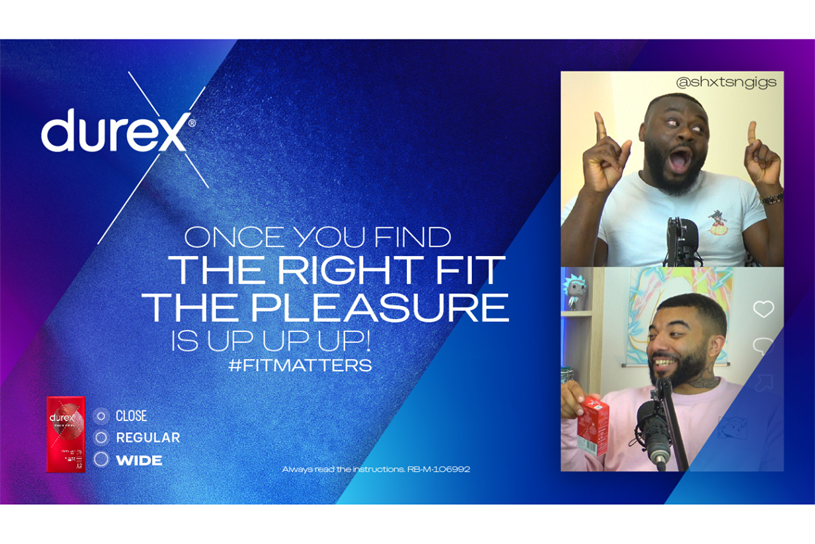
At Sunset Music, we champion the artists, composers, producers, and rights-holders whose creations power culture. Today, we’re proud to celebrate a major win for one of our own: The Boy From Space, whose track “Our Shop”—taken from the Sunset Records album London, Paris, Tokyo, Space—has officially been featured in a new Durex commercial.
The film, directed by acclaimed filmmaker Lloyd Lee Choi, spotlights the energy, intimacy, and contemporary style synonymous with both the brand and the artist.
The song itself—written and composed by Guy Thompson—brings a uniquely atmospheric, emotive pulse that perfectly complements the ad’s storytelling.
But beyond the creative success, this moment highlights something larger:
Why proper music licensing is non-negotiable in the global advertising ecosystem.
This article breaks down the accomplishment, the legal framework behind it, and the advocacy issues we fight for every day at Sunset Music.
A Major Sync Win for Independent Music
When a global brand taps an independent artist, it’s more than exposure—it’s validation.
“Our Shop” embodies The Boy From Space’s signature blend of dreamy textures, cinematic production, and genre-blurring rhythms. It’s a track built for movement and mood, so it’s no surprise it resonated with a brand looking for authenticity and emotional clarity.
For Sunset Records, this placement reinforces our mission:
To elevate independent artists into international cultural conversations—on screens, in campaigns, and across global media.
Behind the Placement: Why Sync Deals Matter
A sync license is more than a quick transaction; it’s a catalyst that can meaningfully accelerate an artist’s career. Sync placements:
- Drive streaming spikes
- Open new global audiences
- Create recurring revenue through backend royalties
- Strengthen future licensing value
- Build long-term credibility for both artist and label
But getting a song into a commercial—especially a brand-name campaign—is never as simple as sending a file. It’s a multi-layered legal process that protects both creators and businesses.
Below, we break down everything advertisers, artists, and music industry professionals must understand to navigate sync licensing ethically and legally.
The Two Copyrights Behind Every Song
Every piece of commercially released music embodies two completely separate copyrights, and both must be cleared before a brand can legally use the track.
1. The Composition (Publishing Rights)
Covers the musical DNA—the lyrics, melody, arrangement, and songwriting.
Usually controlled by:
- Songwriters
- Music publishers
- Performing Rights Organizations (ASCAP, BMI, SESAC, GMR)
2. The Sound Recording (Master Rights)
Covers the actual recorded version you hear.
Usually owned by:
- The artist
- The record label
- A licensing representative
In the case of “Our Shop,” the master is controlled by Sunset Records, and the composition rights flow through songwriter Guy Thompson’s publishing channels.
Any advertiser who uses a track without securing both sets of rights exposes themselves to:
- Legal disputes
- Financial penalties
- Reputation and brand risk
- Takedown demands from PROs and publishers
This is why advocacy around licensing education remains a critical part of our mission.
The Licensing Process: What Brands Must Do (The Real Way, Not the Shortcut)
Too many brands still underestimate the complexity of a music license. Here’s the real roadmap for legally using a song in a commercial like Durex’s — step by step.
1. Define the Campaign Requirements
Brands must clarify:
- Budget
- Media types (TV, radio, streaming, social, global digital)
- Duration of the license
- Geographic territories
- Exclusivity requests
- Usage extensions
These factors dramatically shape the deal structure.
2. Identify and Contact All Rights Holders
This is where many companies stumble. A track can have:
- Multiple songwriters
- Multiple publishers
- A label owning the master
- Third-party sub-publishers or collection agencies
Every stakeholder must grant permission. A single “no” can block the entire placement.
3. Negotiate Sync and Master Licenses
There are two separate deals:
Sync License (Composition)
Allows pairing the song with visual media.
Fees vary based on:
- Popularity
- Duration of use
- Media reach
- Commercial prominence
Master Use License (Recording)
Allows the use of the specific recorded version.
Negotiated directly with the master owner (Sunset Records, in this case).
4. Finalize the License Agreement
Once terms are set, all parties sign a formal license agreement.
This document is essential, serving as:
- Proof of legal clearance
- The blueprint for payment
- A shield against future disputes
5. Pay Fees + Backend Royalties
Most deals include:
- Upfront licensing fees
- PRO-collected royalties for public performance
- Optional renewal fees for extensions or additional media
This recurring revenue is crucial for independent artists, which is why we advocate strongly for transparent compensation.
Why Misusing Music Is a Legal and Ethical Risk
Brands that skip the proper licensing process face real-world consequences:
- Massive fines
- PRO enforcement
- Court-ordered damages
- Public controversies
- Loss of consumer trust
Music is intellectual property. It deserves respect, payment, and legal protection.
At Sunset Music, we push for stronger industry education because too many emerging creators don’t understand how licensing protects their livelihood—and too many brands still try to cut corners.
Royalty-Free Alternatives—Useful, But Not a Replacement for True Creativity
For smaller businesses or advertisers with limited budgets, stock libraries and royalty-free catalogs provide:
- Pre-cleared music
- Low-cost usage
- Faster workflows
However, they lack the cultural resonance, uniqueness, and emotional weight that a professionally crafted song—like “Our Shop”—provides.
When brands want identity, credibility, and connection, they turn to real artists.
Celebrating The Boy From Space — And Advocating for the Future of Creative Rights
This Durex placement is another milestone in the ongoing story of independent artists reaching global platforms without sacrificing integrity or ownership. At Sunset Music, these are the wins we fight for.
- Wins that pay artists fairly
- Wins that elevate creative voices
- Wins that educate the industry
- Wins that show independent music belongs in major campaigns
The Boy From Space earned this moment. Guy Thompson’s songwriting earned this moment. And every artist navigating the licensing world deserves the same clarity, transparency, and respect.